


8 September 2025
LIFE SOS Pygargus: we have returned 42 Montagu’s harriers to the wild in the North of Portugal

A young Montagu's harrier rescued from a nest built in the wild, where protection on the ground was not viable. The bird completed its development at the acclimatisation station. Photo: Uliana de Castro/Palombar.
Campaign ensures the rescue and saving of this endangered species
The first group of juveniles (33) was returned to the wild on 30 July and the second (9) on 29 August, these being from second or late clutches. The 42 Montagu's harriers (Circus pygargus) survived and returned to freedom thanks to the "Save the Montagu's harrier" campaign implemented as part of the project. These birds were rescued, either as chicks or even as eggs, by the Palombar team. Without rescue and saving, death would have been their certain fate due to harvesting. The rescue also relied on the essential collaboration of local farmers.
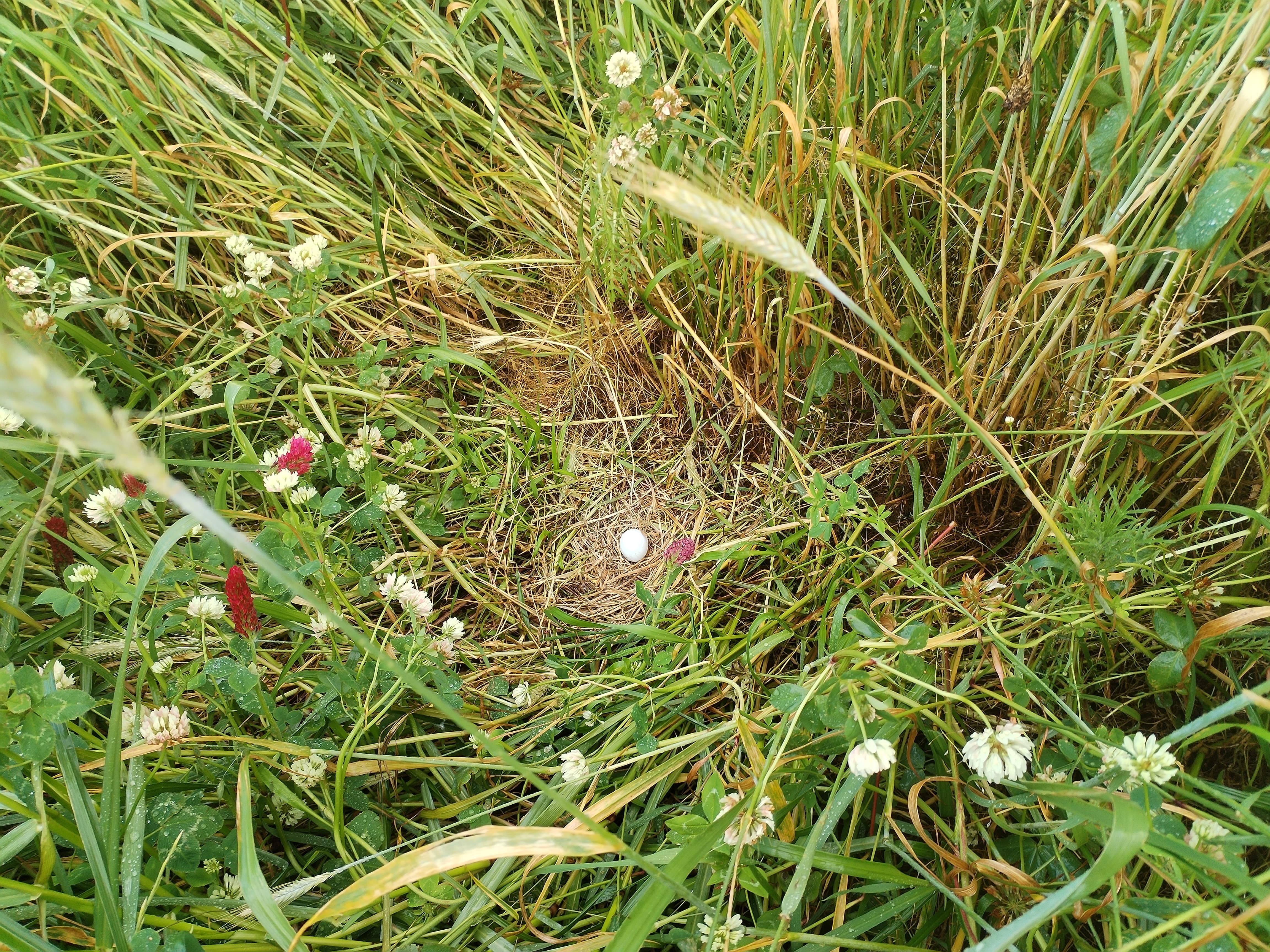
Nest built in the wild, which could not be protected in the field. The egg was rescued as part of the "Save the Montagu's harrier" campaign. Photo: Palombar.
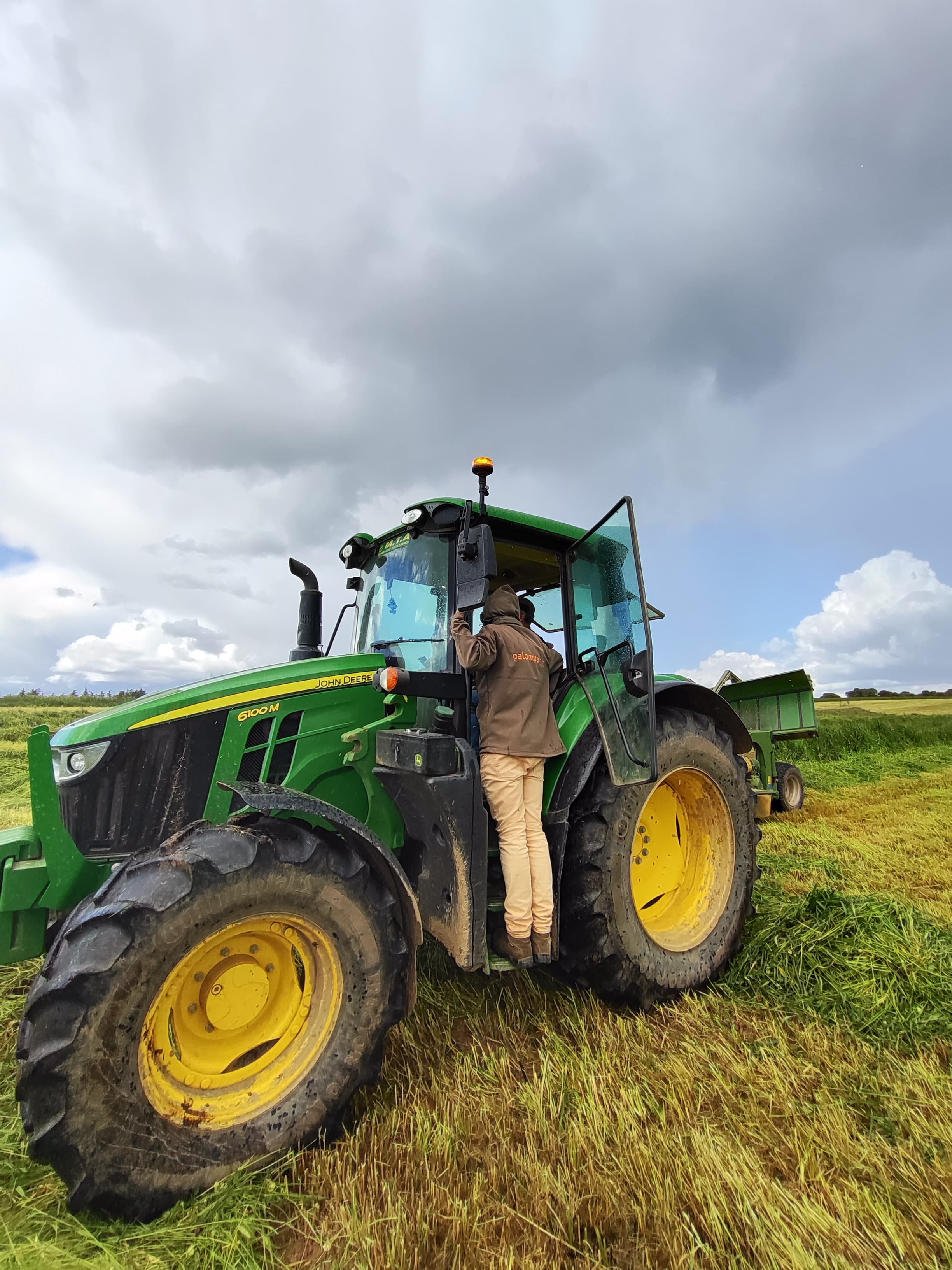
Awareness and collaboration with local farmers are essential to ensure the rescue and recovery of these birds. Photo: Palombar.
Coming from the wild in the northern region, their historical territory, they had to be rescued because it was not viable to protect their nests in the field. Their development or incubation was completed at the Wildlife Recovery Centre of the Veterinary Hospital of the University of Trás-os-Montes and Alto Douro (CRAS-HV-UTAD), a key partner in the project.
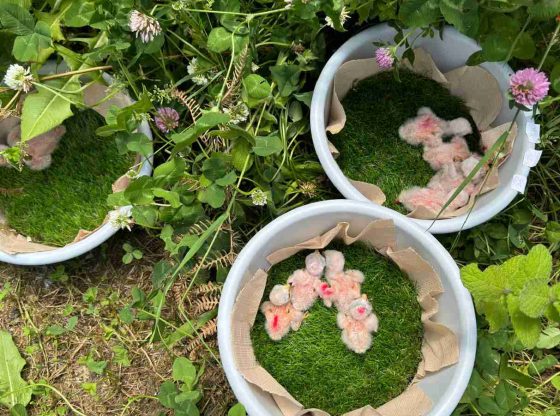
Chicks from eggs rescued in the wild, whose incubation had to be completed at CRAS-HV-UTAD to prevent the death of individuals of this endangered species. Photo: UTAD.
Birds underwent a period of adaptation and familiarisation with the territory
When they reached the ideal age, these birds were transported to the acclimatisation station located in the Mirandese Plateau, where they had about a month to complete their growth and learn behaviours vital for their survival in the natural environment with two tutor harriers placed in the structure with the aim of teaching them to hunt for food, identify dangers and interact with the environment and other individuals. At this facility, all necessary care and continuous remote monitoring are provided, avoiding contact with humans as much as possible.
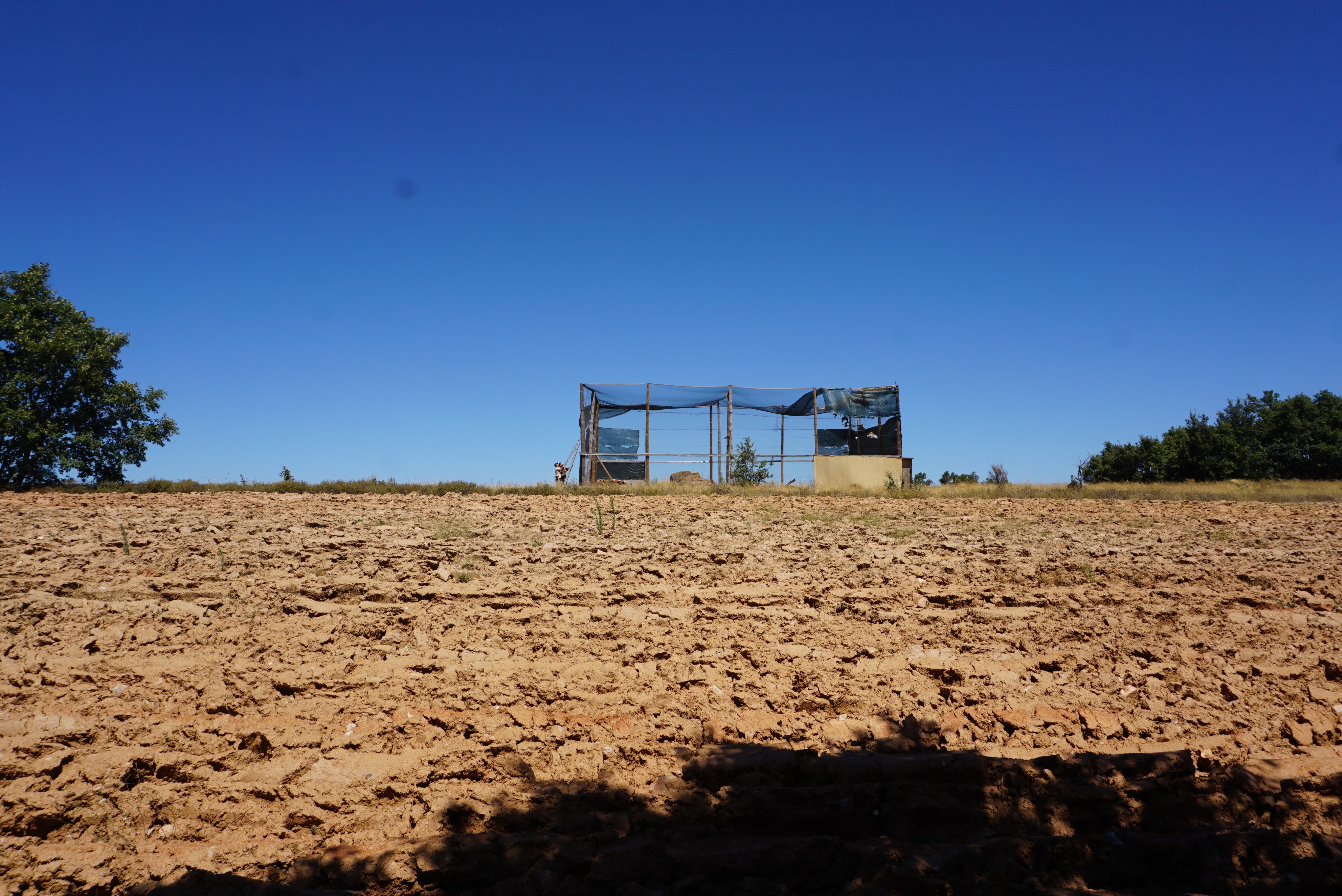
Acclimatisation station located in the Mirandese Plateau. Photo: Uliana de Castro/Palombar.
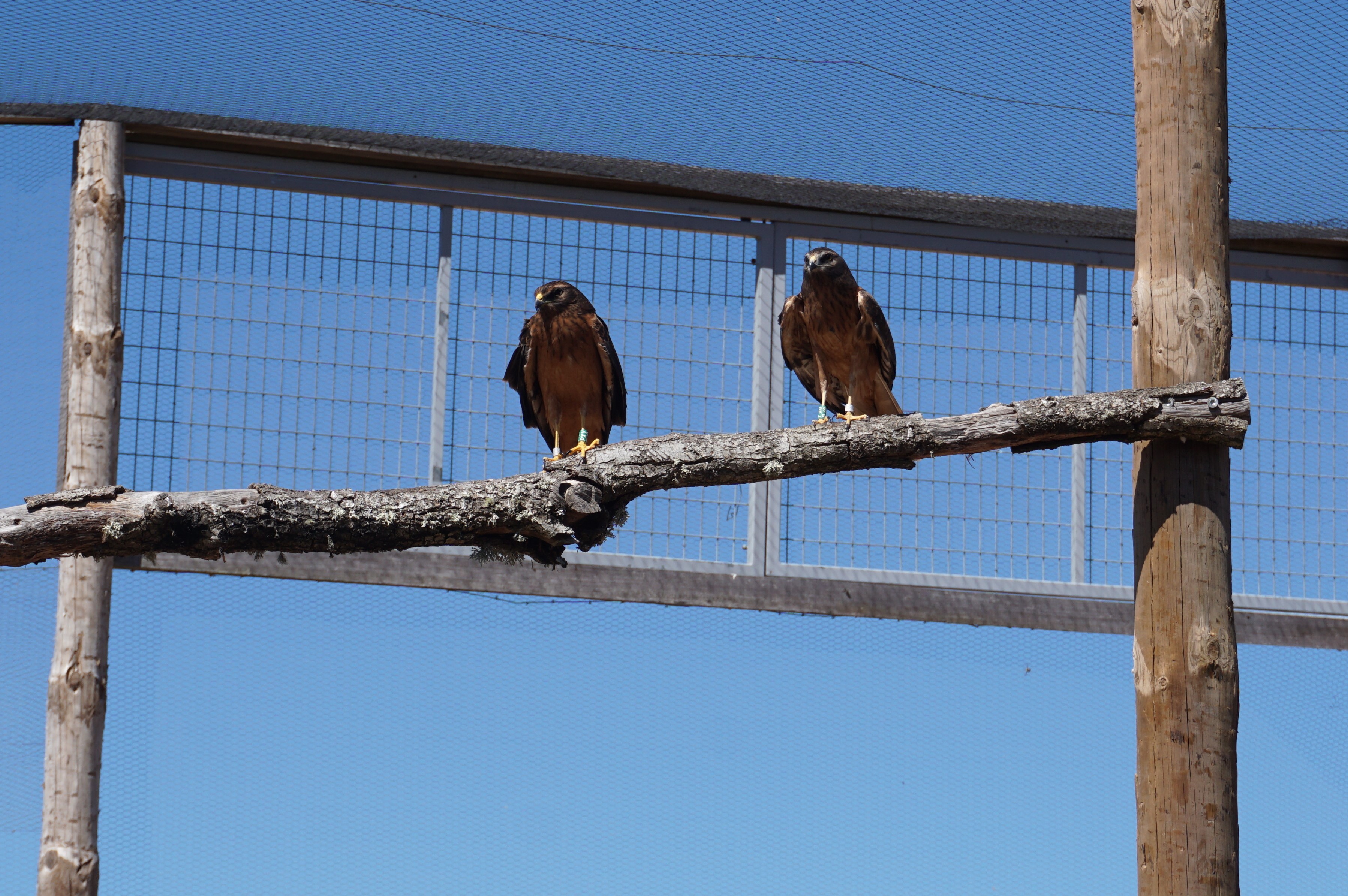
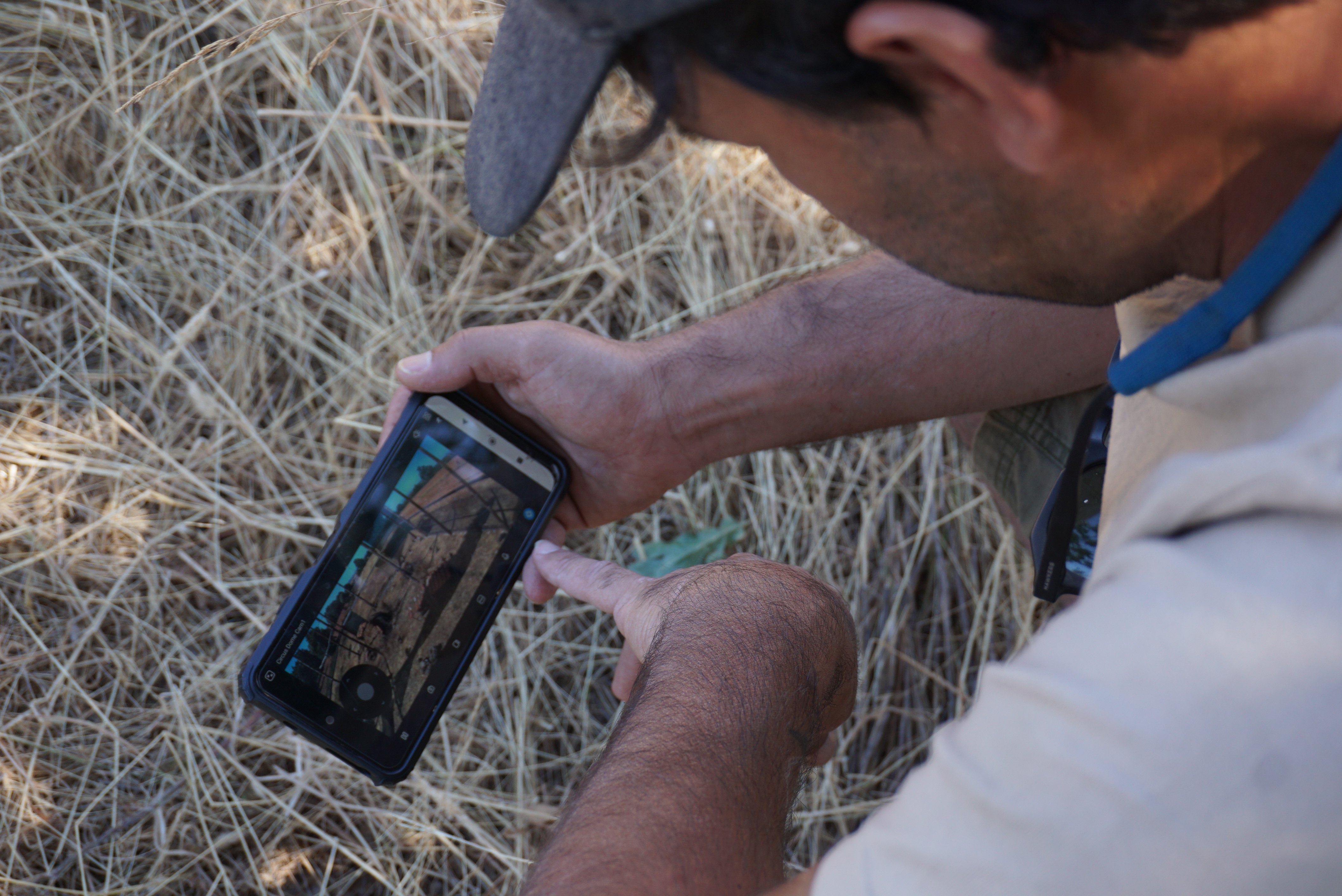
Juveniles at the acclimatisation station and remote monitoring of the facility. Photos: Uliana de Castro/Palombar.
The acclimatisation station was created to receive rescued individuals, as well as to recover and reinforce the population of this bird in a specific area, enhancing its philopatry instinct, which is the predisposition of a species to establish its breeding site in the same area where it was born or spent the first weeks of life.
Before being returned to the wild, where they came from, the birds were all ringed and assessed for their health by a specialised team. Four individuals also received GPS devices, tagged by the biologist Carlos Pacheco, from BIOPOLIS-CIBIO, partner in the project. The data provided by this equipment is essential for making conservation measures more effective.
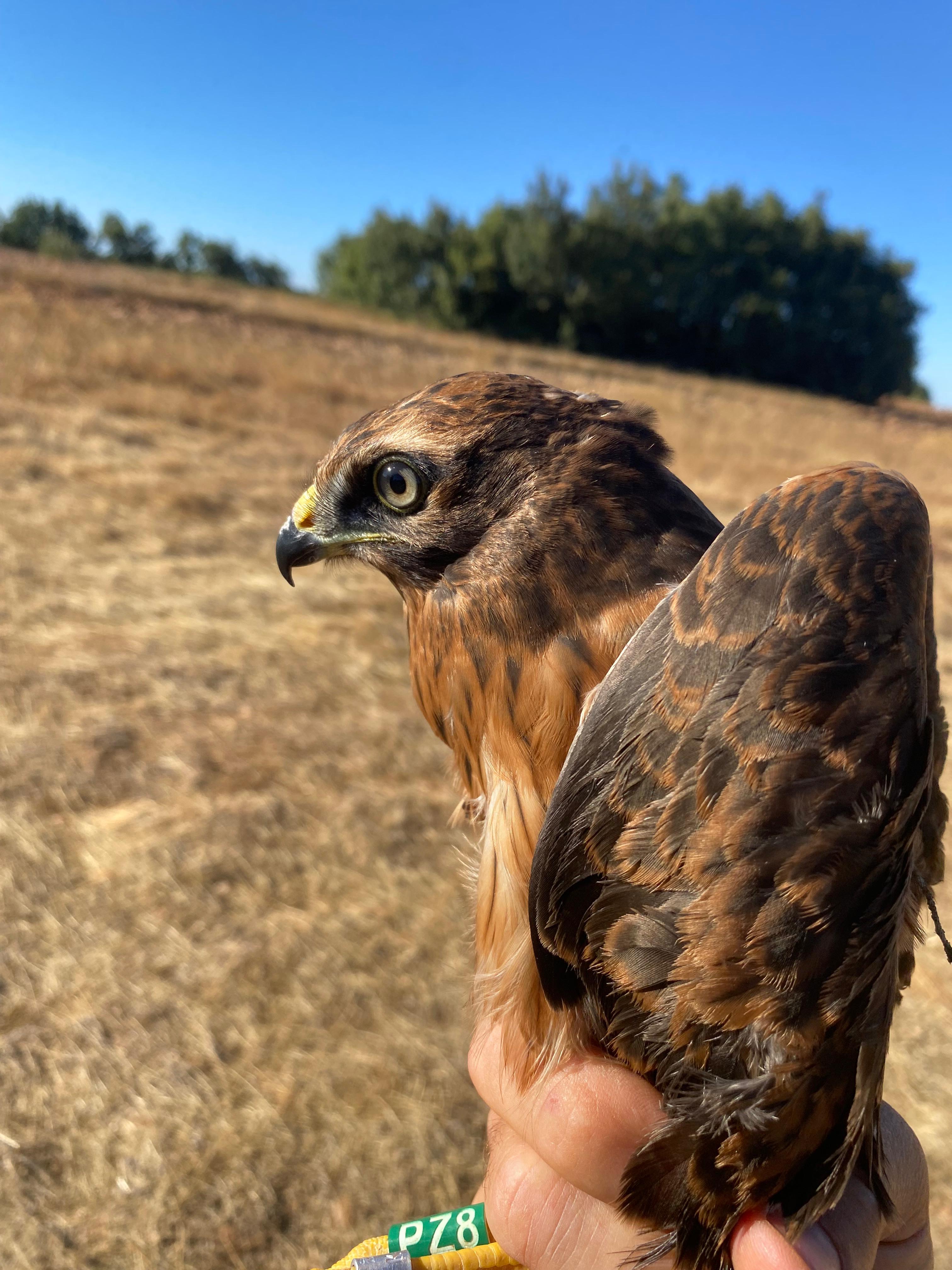
Juvenile tagged with GPS by biologist Carlos Pacheco from BIOPOLIS-CIBIO. Photo: Filippo Guidantoni/Palombar.
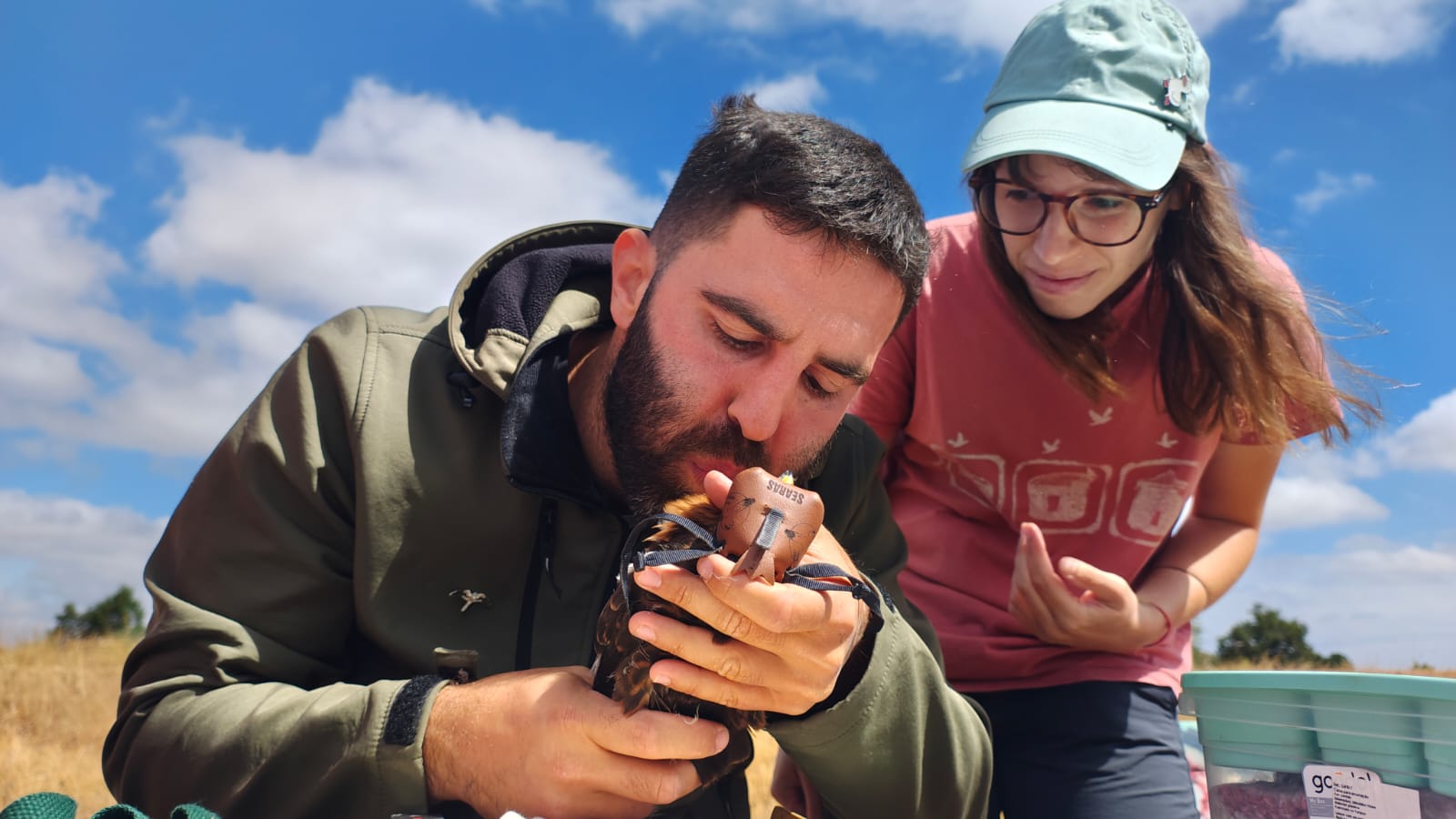
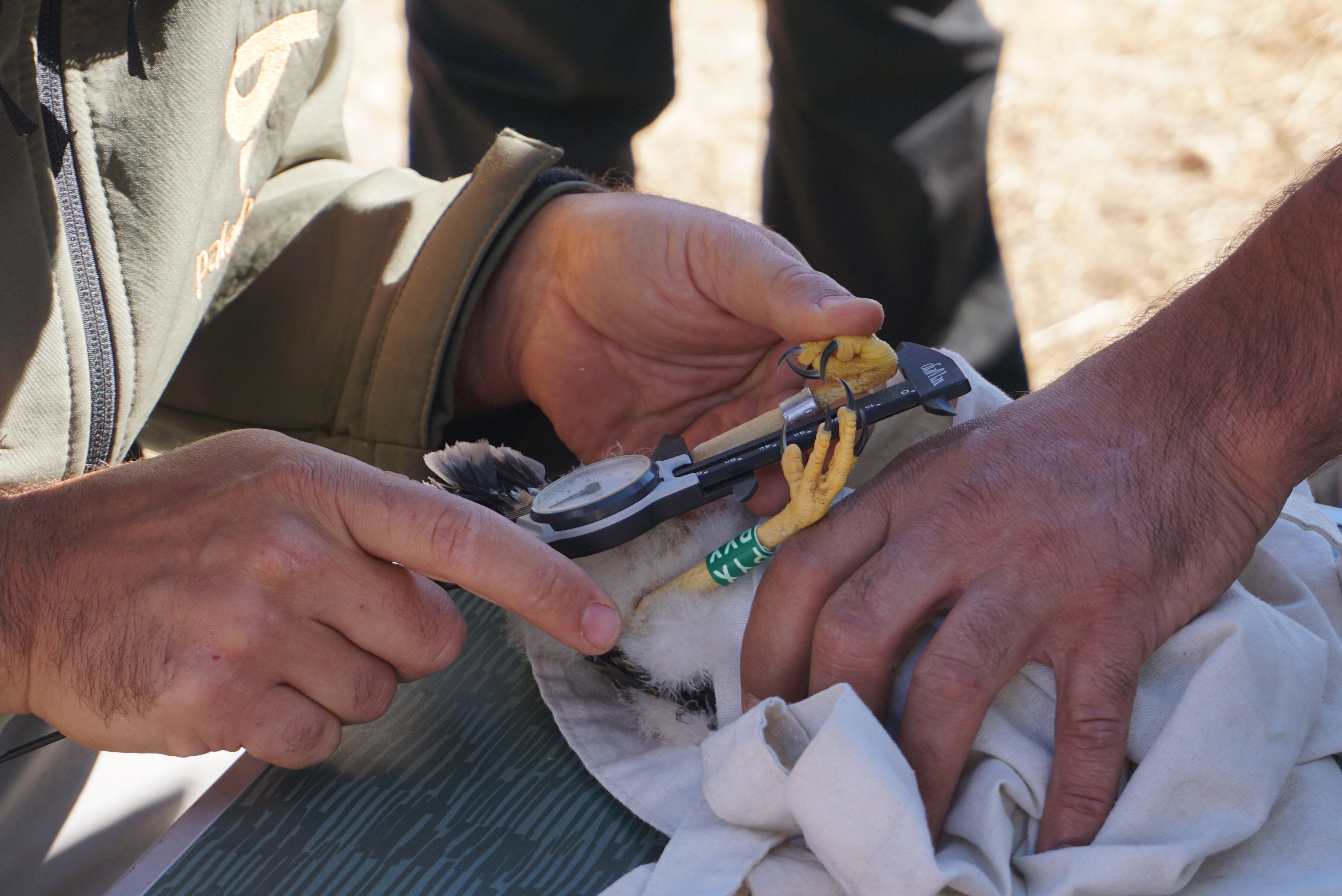
Assessment of physical condition and collection of biometric data. Photos: Uliana de Castro/Palombar.
Now free, these 42 harriers offer hope for the recovery of this endangered species, whose population has fallen by around 80% in ten years in Portugal, placing it on the brink of extinction.
Migration to Africa has already begun
These birds have already begun their migration to the African continent. The Montagu's harrier is a migratory bird of prey that winters in Africa and returns to the Iberian Peninsula in spring to nest, remaining in the breeding areas until September. It nests on the ground in open areas, mainly in agricultural fields with cereals and fodder, and in areas with scrub. The main threats to this species are harvesting during the nesting season, habitat loss and predation.
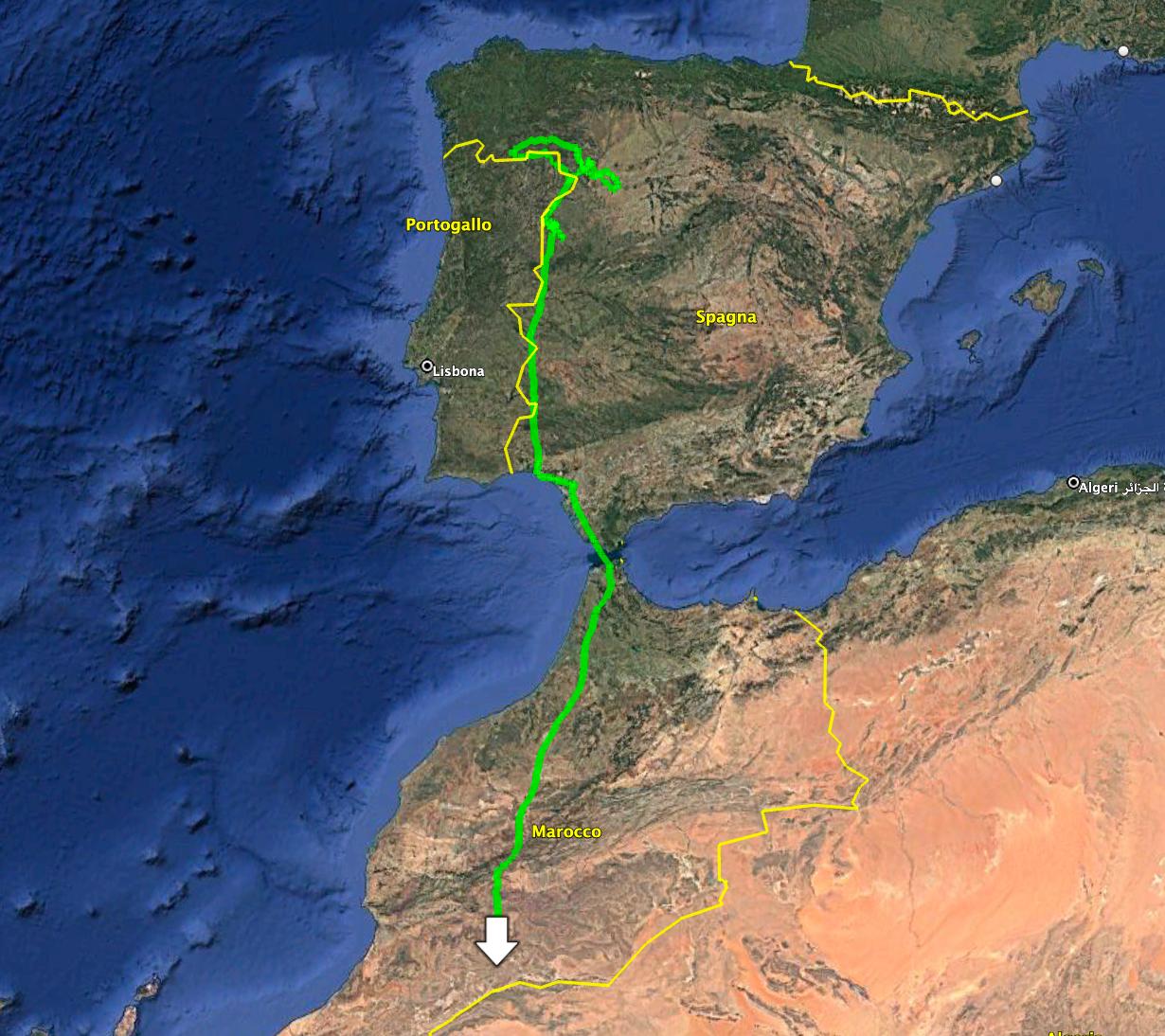
One of the Montagu's harriers that left the acclimatisation station on 30 July has already reached Africa. Image: BIOPOLIS-CIBIO Association, the project partner that manages the data provided by the GPS devices placed on the birds.
The Montagu's harrier is an ally of farmers
This species is essential for the balance of the fields and generates benefits for farmers and local communities. A single pair of Montagu's harriers hunts more than 1,000 animals harmful to crops, such as insects and rodents, during a breeding season.
About the campaign
The "Save the Montagu's harrier" campaign is coordinated with other more comprehensive and multisectoral measures and focuses on monitoring this species by project partners and volunteers in some of its main breeding areas in the Iberian Peninsula; identifying nests to ensure their protection; the rescue of eggs and chicks from nests that cannot be protected; and raising awareness and involving farmers, whose collaboration is essential to the success of these efforts.
.jpg)
We are saving the Montagu's harrier from extinction. Photo: Filippo Guidantoni/Palombar.
About the project
LIFE SOS Pygargus - Urgent conservation actions to sustain Portuguese and transborder populations of the Montagu’s harrier is an Iberian project that brings together conservationists, farmers, scientists and public and private entities in an unprecedented effort to save this migratory bird from imminent extinction in some of its main areas of distribution in the Iberian Peninsula.
It combines nature conservation and agriculture to protect this species, which is fundamental to the balance of ecosystems. It is 75% funded by the European Union's LIFE programme and co-funded by Viridia – Conservation in Action, Lightsource bp and the Environmental Fund.
It is implemented by a consortium comprising Palombar – Conservação da Natureza e do Património Rural (coordinating entity), BIOPOLIS-CIBIO Association, AEPGA - Associação para o Estudo e Proteção do Gado Asinino, ANPOC - Associação Nacional de Produtores de Proteaginosas, Oleaginosas e Cereais, CCDR-N - Comissão de Coordenação e Desenvolvimento Regional do Norte, EDIA - Empresa de Desenvolvimento e Infraestruturas do Alqueva SA, ICNF - Instituto da Conservação da Natureza e das Florestas, INIAV - Instituto Nacional de Investigação Agrária e Veterinária, LPN - Liga para a Protecção da Natureza, MC Shared Services SA, Modelo Continente Hipermercados SA, SPEA - Sociedade Portuguesa para o Estudo das Aves, UTAD - Universidade de Trás-os-Montes e Alto Douro, Vita Nativa - Conservação do Ambiente, AMUS - Acción por el Mundo Salvaje, Consejeria de Agricultura, Ganaderia y Desarrollo Sostenible - Junta de Extremadura, GREFA - Grupo de Rehabilitación de la Fauna Autóctona y su Hábitat and the University of Murcia.